
"Burundi coffee industry"
400 article(s) found
Burundi Coffee Bean Flavor Where to Buy Price Origin Profile
Starbucks has sponsored Burundian coffee management committee officials to study overseas in order to help Burundi integrate into the world coffee market as soon as possible, and Starbucks executives will visit Burundi this month to discuss cooperation matters with relevant parties, the East African newspaper reported on the 8th. Coffee is Burundi's main export.

Burundi Coffee Bean Flavor Taste Manor Introduction Fine Coffee Burundi Coffee
Burundi coffee has been in a state of chaos for a long time, with a large number of old and new green beans mixed together, making this coffee unsuitable for grading. The coffee is coarse but mild and has characteristics similar to Kenya coffee. Sweet, fruity flavor with a spicy finish. Dry aroma (1-5): Not applicable Wet aroma (1-5): Not applicable Acid

Introduction to the flavor and taste of Burundian boutique coffee manor
Formerly known as Urundi, Burundi formed a feudal kingdom in the 16th century. Since the middle of the 19th century, the forces of Britain, Germany and Belgium invaded. The long-ruled monarchy, which was conquered by Germany in 1890, listed it as the territory of German East Africa and fell under the control of the Belgian army in 1916. After World War I, the League of Nations merged Rwanda-

Burundi fine coffee beans with excellent acidity
Burundi coffee characteristics Flavor description Taste treatment Method of production Region Variety grind Introduction Anchor point Burundi coffee was introduced by Belgian colonists in 1930. Unfortunately, many of these farms are located on the border with war-torn Rwanda, putting pressure on coffee production. Burundi coffee origin: Burundi (Burundi) coffee present

Characteristics of Burundian Coffee, introduction to Burundi
Following Kaibei (official Wechat account vdailycom) found that Beautiful Cafe opened a small shop of its own. Burundi is an agricultural and animal husbandry country and one of the least developed countries in the world declared by the United Nations. The difficulty of its economic development lies in its small country, large population, poor resources and no access to the sea. In 1991, the Government of Burundi signed the third phase with the International Monetary Fund (1991-1994).

History of Origin and Development of Water-washed bourbon species in Kayanza Province of Burundi Burundi Bulundi Champion processing Plant
This is excellent news for countries that earn more than 80% of their foreign exchange earnings from coffee exports. Due to the abundant coffee growing season Rain Water and good field management, coffee production in 2004-2005 was significantly higher than that of last year. According to Burundian officials, the output of coffee beans this year will reach 36000 tons, a six-fold increase over last year (5600 tons).

Introduction to the processing Plant of Burundian Coffee Bean planting Environment and Flavor description
Burundi has the most diverse and successful coffee industry in the world, and has its own characteristics. Coffee in this country was introduced by Belgian colonists in 1930 and is now grown only on small farms. Unfortunately, many of these farms are on the border with war-torn Rwanda, putting pressure on coffee production. Coffee produced in Burundi.

Flavor description of Burundian Rocasta Coffee Bean introduction to the characteristics of varieties treated in the manor area
Description of the flavor of Burundi coffee beans in Burundi the characteristics of varieties treated in the manor area introduce the coffee producing areas in Burundi: Burundian (Burundian) coffee is now grown only on small farms. Almost all coffee produced in Burundi is Arabian coffee beans, while coffee trees in Ngozi are planted at an altitude of more than 1200 meters. Features of Burundian Coffee: Burundi (Burundi)

A brief introduction to the treatment method of grinding degree and baking degree of fine Burundian coffee beans with mellow taste
Characteristics of Burundi Coffee: Burundi (Burundian) has the most diverse and successful coffee industry in the world, and has its own characteristics. Burundian coffee is fragrant and has excellent acidity. Flavor: mellow taste, rich aroma, excellent acidity Burundian coffee features: suggested roasting method: medium to deep roasting ★★: good lake with many rivers

Description of characteristic and Flavor of Burundian Coffee introduction to the degree of Grinding of varieties produced by the method of Taste treatment
Description of Burundian Coffee characteristics and Flavor Burundi Coffee was introduced by Belgian colonists in 1930. Unfortunately, many of these farms are on the border with war-torn Rwanda, putting pressure on coffee production. Coffee origin in Burundi: Burundian coffee is now available only in Burundi.

Burundian Coffee with excellent acidity Flavor description of Burundian Coffee characteristics of Fine Coffee beans
10.5 million (2014). It consists of three tribes: Hutu (84%), Tutsi (15%) and Tewa (1%). The official languages are Kirundy and French, Mandarin is Kirundy, and some residents speak Swahili. Among the residents, 61% believe in Catholicism, 24% believe in Protestantism, 3.2% believe in primitive religions, and the rest believe in other religions or do not. The proportion of the population is: male accounts for the total

Taste of Burundian Coffee Flavor Manor area introduces Burundian boutique coffee beans
After the price of Burundian Arabrica coffee was raised, the purchase price of fresh coffee in Burundi was adjusted from 120 Burundian francs / kg to 200 Burundian francs / kg, which is excellent news for countries where coffee export earnings account for more than 80 per cent of total foreign exchange earnings. Due to the abundance of Rain Water in the coffee growing season and good field management, 2004

Burundi Coffee Bean Flavor Burundi Coffee Bean Burundi Coffee Features
Burundi coffee was introduced by Belgian colonists in 1930. Unfortunately, many of these farms are located on the border with war-torn Rwanda, putting pressure on coffee production. Coffee in Burundi: Burundi Coffee is now grown only on small farms. Coffee produced in Burundi is almost exclusively Arabica beans.

Burundian coffee beans with rich aroma and excellent acidity introduce boutique coffee
Burundi has the most diverse and successful coffee industry in the world, and has its own characteristics. Burundian coffee is fragrant and has excellent acidity. Flavor: mellow taste, rich aroma, excellent acidity recommended baking method: medium to deep roasting ★★: good Burundian coffee market: Burundian coffee products are mostly exported to the United States

Rich aroma of Burundian coffee taste manor introduce boutique coffee
Flavor: mellow taste, rich aroma, excellent acidity recommended roasting method: medium to deep roasting ★★: good Burundian coffee market: Burundian coffee products are mostly exported to the United States, Germany, Finland and Japan Burundian coffee characteristics: Burundi (Burundi) has the world's most wide variety, the most successful coffee industry, and has its own characteristics. Burundi

A brief introduction to the History and Culture of the Origin and Development of aromatic Burundian Fine Coffee
Coffee production in Burundi: Burundian coffee is now grown only on small farms. Almost all coffee produced in Burundi is Arabian coffee beans, while coffee trees in Ngozi are planted at an altitude of more than 1200 meters. Characteristics of Burundi Coffee: Burundi (Burundian) has the most diverse and successful coffee industry in the world, and has its own characteristics.

Aromatic Burundi Fine Coffee Bean Origin History and Culture
Burundi has two main ethnic groups, the Tutsi, who number only about one and a half, have ruled the country since the sixteenth century and control a civilian population composed mainly of Hutu, plus a very small indigenous population of Twa. This abnormal social structure in which ethnic minorities occupy a high position has buried the evil seeds of national instability, and in 1
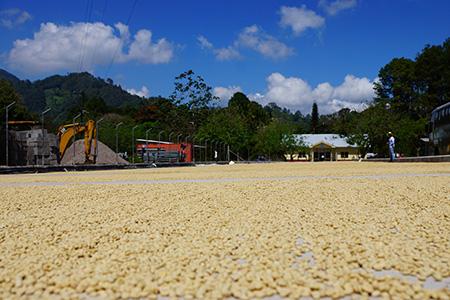
Introduction to the flavor description of Cajan coffee beans in Burundi Bulongdi Champion processing Plant
Burundian Champion processing Plant Cayan Coffee beans Flavor description [Bulongdi Champion processing Plant] is located in the Mardadi Peak of the Panjia processing Plant in Cabuye District, Cajun Province, Burundi. The elevation is very high, and there are even mountains over 2000 meters above sea level. The soil is fertile, the soil is humid, and it is very suitable for the growth of coffee. It is recognized as the best coffee processing plant in Burundi.

A brief introduction to the flavor and aroma characteristics of Burundian coffee with fruit flavor
Londi Coffee bears a striking resemblance to neighboring Rwanda, where coffee from the two countries is often confused. Burundian coffee is mainly grown in bourbon, with traditional wet processing of coffee cherries. Its boutique coffee is characterized by elegant sweetness and bright citrus aromas. Burundi is a small landlocked country located on the border between eastern and central Africa.

Almond-scented boutique coffee beans in Burundi A brief introduction to geographical location, climate and altitude
Coffee production in Burundi: Burundian coffee is now grown only on small farms. Almost all coffee produced in Burundi is Arabian coffee beans, while coffee trees in Ngozi are planted at an altitude of more than 1200 meters. Suggested roasting method: medium to deep roasting ★★: good Burundian coffee market: Burundian coffee products are mostly exported to the United States,